
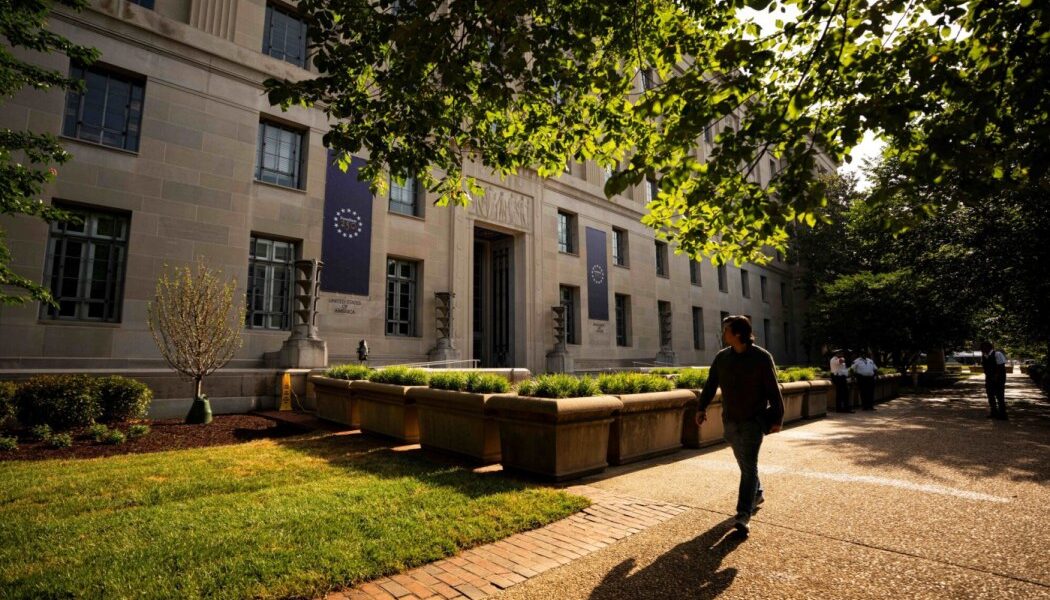
Justice Department Unveils $6.5 Billion Healthcare Fraud Crackdown: Largest Healthcare Fraud Takedown in U.S. History

Justice Department Unveils $6.5 Billion Healthcare Fraud Crackdown: Largest Healthcare Fraud Takedown in U.S. History
DOJ Charges 455 Defendants in Massive Healthcare Fraud Investigation
The U.S. Department of Justice (DOJ) has announced one of the largest healthcare fraud crackdowns in American history, charging 455 individuals in schemes involving more than $6.5 billion in alleged fraud. The nationwide operation targeted healthcare providers, business executives, and organized criminal networks accused of exploiting Medicare, Medicaid, and other government-funded healthcare programs.
According to federal officials, the defendants include 90 doctors, nurses, pharmacists, and other licensed healthcare professionals. Authorities say the fraudulent activities not only caused billions of dollars in financial losses but also put patients’ health and safety at serious risk.
Largest Healthcare Fraud Enforcement Action Ever
The 2026 National Health Care Fraud Takedown involved federal and state law enforcement agencies across 45 states and territories, making it the largest coordinated healthcare fraud enforcement effort in U.S. history. Investigators worked across 56 federal districts and partnered with dozens of state Medicaid Fraud Control Units.
Acting Attorney General Todd Blanche described the operation as a historic effort to protect taxpayers and vulnerable patients from sophisticated fraud schemes. Federal agencies used advanced data analytics, machine learning tools, and inter-agency information sharing to identify suspicious billing patterns and fraudulent claims.
Fraud Schemes Worth More Than $6.5 Billion
Officials revealed that the fraud schemes covered a wide range of healthcare services, including:
• Medicare fraud
• Medicaid fraud
• Hospice care fraud
• Wound care billing scams
• Telemedicine fraud
• Opioid-related healthcare schemes
• False medical diagnoses and testing programs
• Illegal kickback arrangements
Investigators allege that defendants submitted billions of dollars in false claims for services that were unnecessary, never provided, or medically unjustified.
Major Cases Highlighted by the DOJ
One of the most significant cases involves a healthcare executive in Arizona accused of participating in a wound-care fraud scheme that generated more than $4 billion in fraudulent billings. Prosecutors claim that wound care products were relabeled and sold at massive markups while healthcare programs were billed billions of dollars.
In another case, a California hospice operator allegedly used stolen identities and falsified medical records to enroll individuals—including deceased people—into hospice programs and submit false Medicare claims worth nearly $28 million.
Federal authorities also charged a Florida cardiologist accused of conducting medically unnecessary cardiovascular testing on student athletes. Prosecutors allege the scheme generated approximately $89 million in fraudulent claims and may have contributed to a tragic patient death.
Luxury Lifestyle Funded by Fraudulent Healthcare Claims
According to investigators, many defendants used fraud proceeds to finance extravagant lifestyles. Authorities seized luxury vehicles, expensive jewelry, real estate properties, and large sums of cash during the operation.
Federal officials reported that seized assets included:
• Luxury sports cars
• High-end jewelry
• Multi-million-dollar homes
• International resort properties
• Cash and investment accounts
More than $182 million in assets were seized during the takedown, demonstrating the scale of the alleged criminal enterprises.
Advanced Technology Helps Detect Healthcare Fraud
The DOJ credited modern data analytics and artificial intelligence-based tools for helping investigators uncover fraudulent billing patterns. The Centers for Medicare and Medicaid Services (CMS) worked alongside federal agencies to identify suspicious claims before additional taxpayer funds could be lost.
Officials stated that advanced fraud detection systems are becoming increasingly important as healthcare fraud schemes grow more sophisticated and often involve multiple states, shell companies, and international financial transactions.
Impact on Taxpayers and Healthcare Programs
Healthcare fraud remains one of the most costly forms of white-collar crime in the United States. Fraudulent claims divert taxpayer money away from legitimate healthcare services and can increase costs across the healthcare system.
Federal officials emphasized that fraud not only steals public funds but can also endanger patients by encouraging unnecessary treatments, false diagnoses, and substandard care. Several of the cases announced this week involved allegations of patient harm and, in some instances, death.
Government Promises Continued Enforcement
The Justice Department indicated that the healthcare fraud crackdown is part of a broader effort to strengthen oversight of taxpayer-funded healthcare programs. Officials vowed to continue pursuing individuals and organizations that exploit Medicare, Medicaid, and other federal healthcare initiatives.
Acting Attorney General Todd Blanche said the operation represents only the beginning of a larger strategy aimed at identifying fraud earlier, recovering stolen funds, and holding offenders accountable. Federal agencies are expected to expand the use of technology-driven investigations in future enforcement actions.
Conclusion
The DOJ’s $6.5 billion healthcare fraud crackdown marks a significant milestone in the fight against healthcare fraud in the United States. With 455 defendants charged, billions of dollars in fraudulent claims uncovered, and hundreds of millions in assets seized, the operation underscores the growing use of technology and coordinated law enforcement efforts to protect patients and taxpayers.
As investigations continue, federal authorities warn that healthcare fraud remains a major threat to public healthcare programs, and additional prosecutions may follow in the coming months.