
Boeing Shares Drop 4% After Trump Announces China Orders Just 200 Jets

Boeing shares drop 4% after Trump announces China orders just 200 jets
Boeing Stock Falls After Trump’s China Aircraft Order Statement
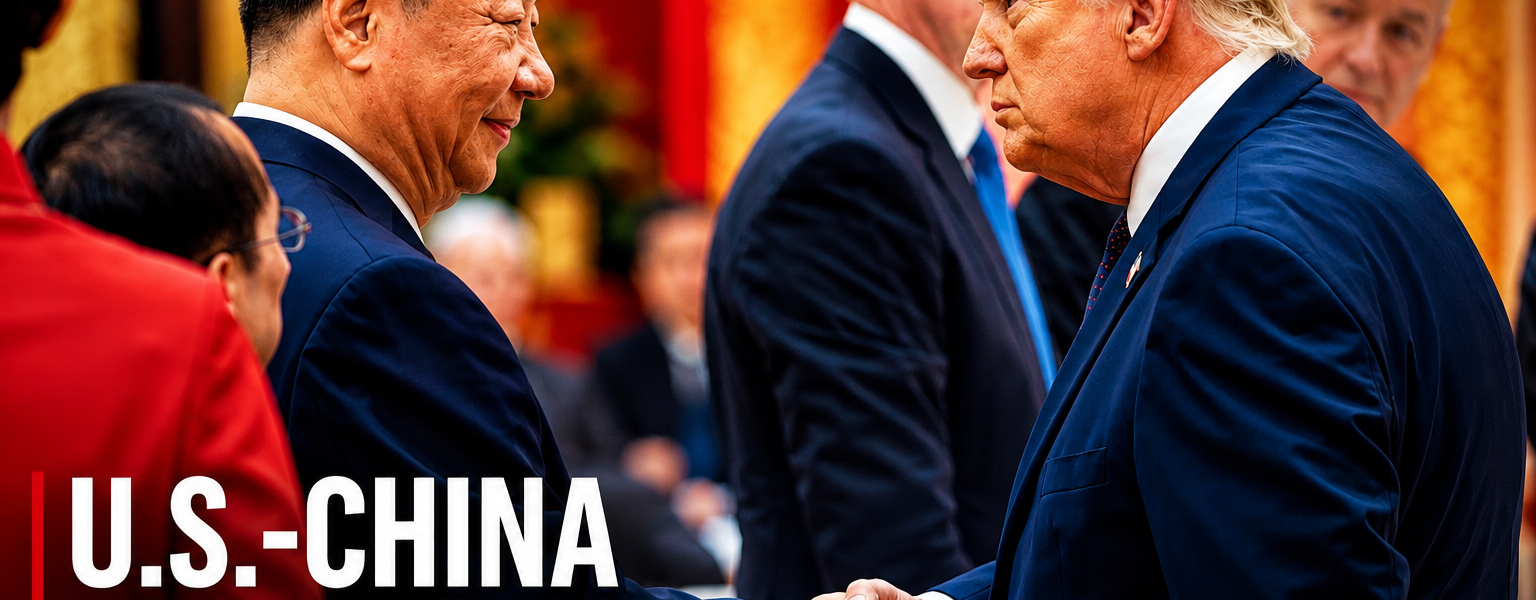
Shares of Boeing declined nearly 4% after Donald Trump stated that China had ordered “just 200 jets,” sparking fresh concerns among investors about slowing international demand and growing geopolitical uncertainty.
The announcement quickly impacted market sentiment, especially in the aviation and manufacturing sectors. Investors expected stronger aircraft demand from China, one of the world’s largest aviation markets.
Why Boeing Shares Dropped
Analysts say the decline in Boeing stock reflects concerns over:
Lower-than-expected aircraft demand from China
Rising trade tensions between the U.S. and China
Competition from Airbus
Supply chain and production challenges in the aviation industry
Investor fears about future international deals
China plays a major role in the global aviation market, and any slowdown in aircraft purchases can significantly affect Boeing’s revenue outlook.
Market Reaction
Following Trump’s remarks, Boeing shares fell around 4% during trading sessions, while broader aerospace stocks also faced pressure.
Financial experts believe investors were expecting larger long-term commitments from Chinese airlines. The smaller order number created uncertainty about future aviation growth and international partnerships.
Boeing’s Position in the Global Aviation Industry
Despite the recent drop, Boeing remains one of the world’s leading aircraft manufacturers. The company continues to focus on:
Expanding commercial aircraft deliveries
Improving production efficiency
Strengthening airline partnerships globally
Increasing defense and space contracts
Its popular aircraft models, including the 737 MAX and 787 Dreamliner, continue to see strong demand in several international markets.
Impact on the Aviation Sector
The aviation industry has been recovering steadily after years of global disruptions. However, geopolitical developments and economic uncertainty still influence major airline purchases.
Experts say future aircraft deals between China and Boeing will remain closely watched by global investors and airline companies.
Conclusion
The latest decline in Boeing shares highlights how political statements and international trade developments can strongly influence financial markets. While Boeing remains a dominant player in aerospace manufacturing, investor confidence may continue to fluctuate depending on future China-U.S. aviation relations and aircraft demand trends.